G
e
n
e t
i
c
En
gineerIng
|
One of the modern biotechniques is the Recombinant DNA, also referred
to as genetic engineering. This technique- involves the direct manipulation
of genetic materials of organic cells which allows scientists target just
the qualities they want to add to a plant (TED
Case Studies). Scientists are investigated on the genetically
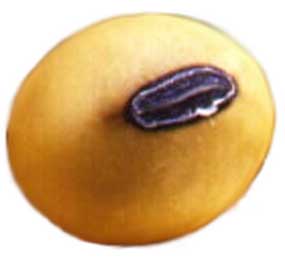
altered soybean plants which produce oil containing less saturated fat.
The plant will be changed in the "input trait" or "output traits".
The input traits make it easier and economical to grow. The output
traits change the characteristics of crops to make them taste better, offer
better nutrition, or fight human disease (U.S. News & World Report:
03.02.98). Additional advantages include of bring benefits to the
enviornment by the lack lack of residual. However, agricultural biotechnologists
must overcome many controversial issues such as farmers and food processors
prefer the better tasted grain. Health activists fear that genetic
engineering may raise the level of toxins in crops. Dr. Fagan explains
that, "It's very risky because those genes (soy genes) have never been
part of the human food supply before, and we do not know if they are allergic
or toxic.... They should test them as vigorously as they test a new
drug (TED Case Studies)." |